In-game advertising refers to advertisements placed directly inside video games.
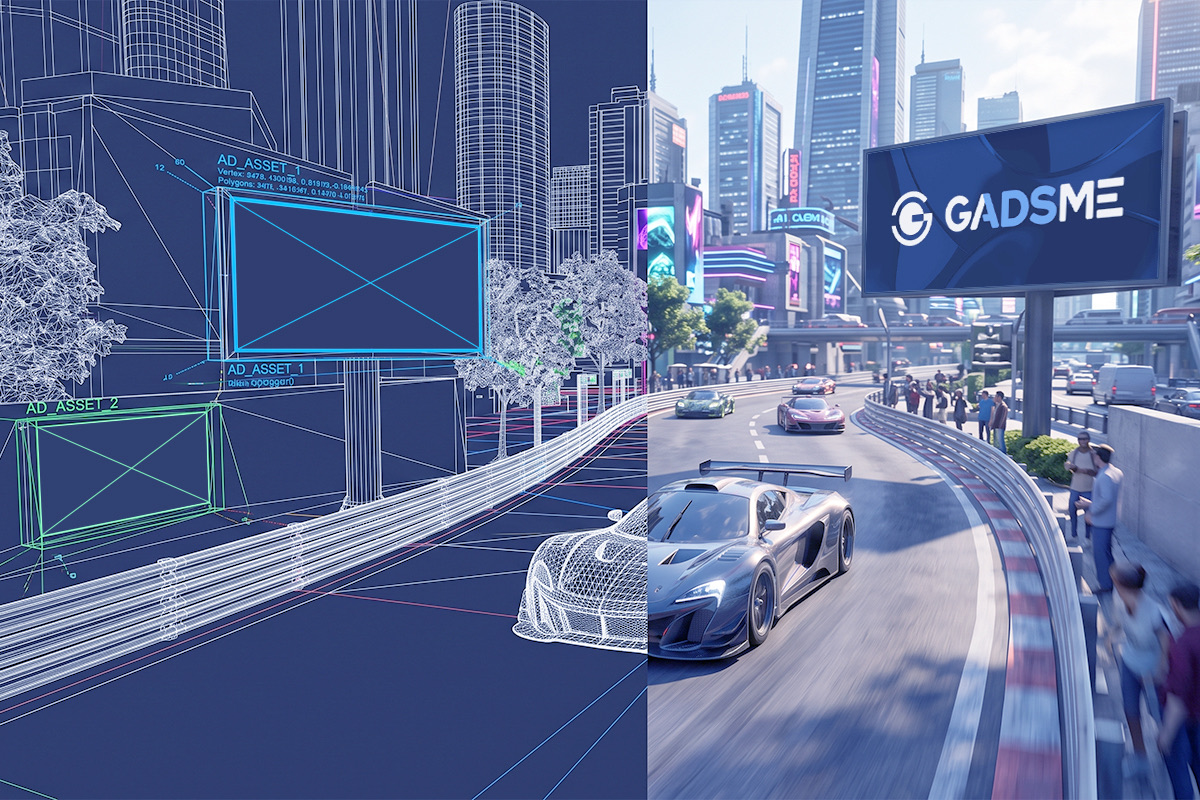
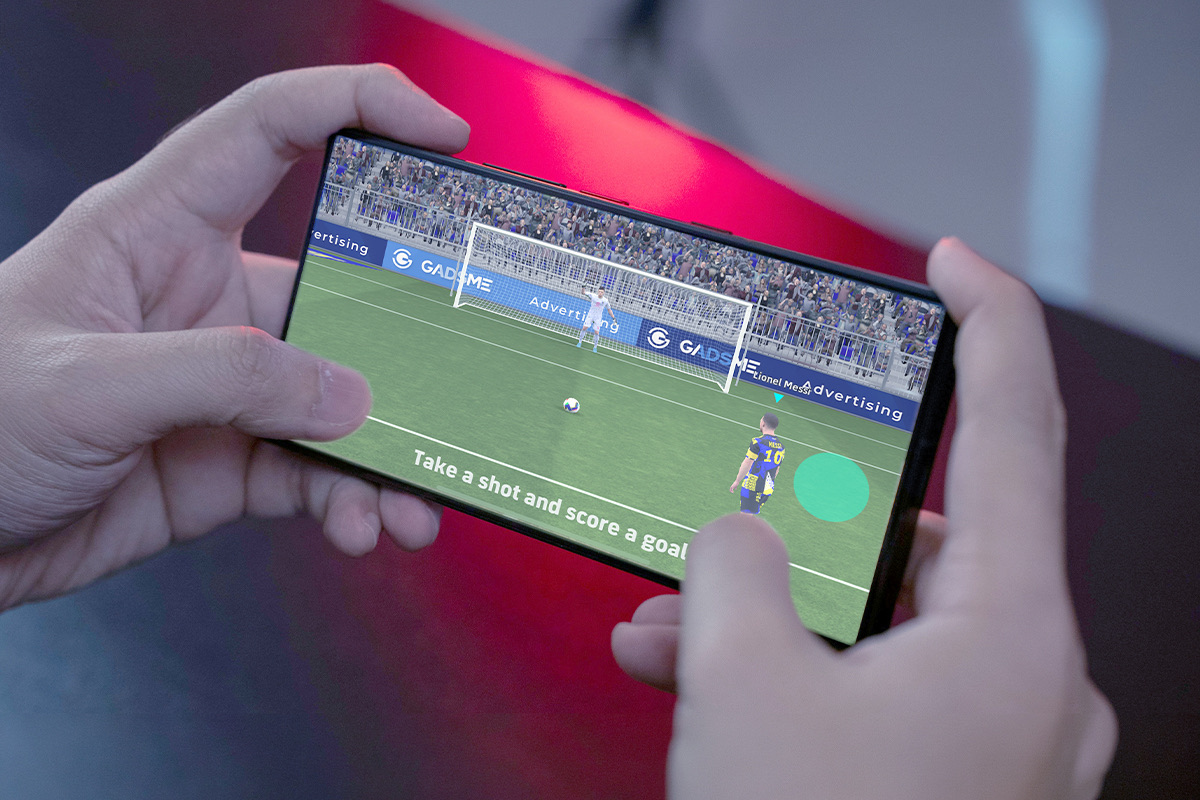
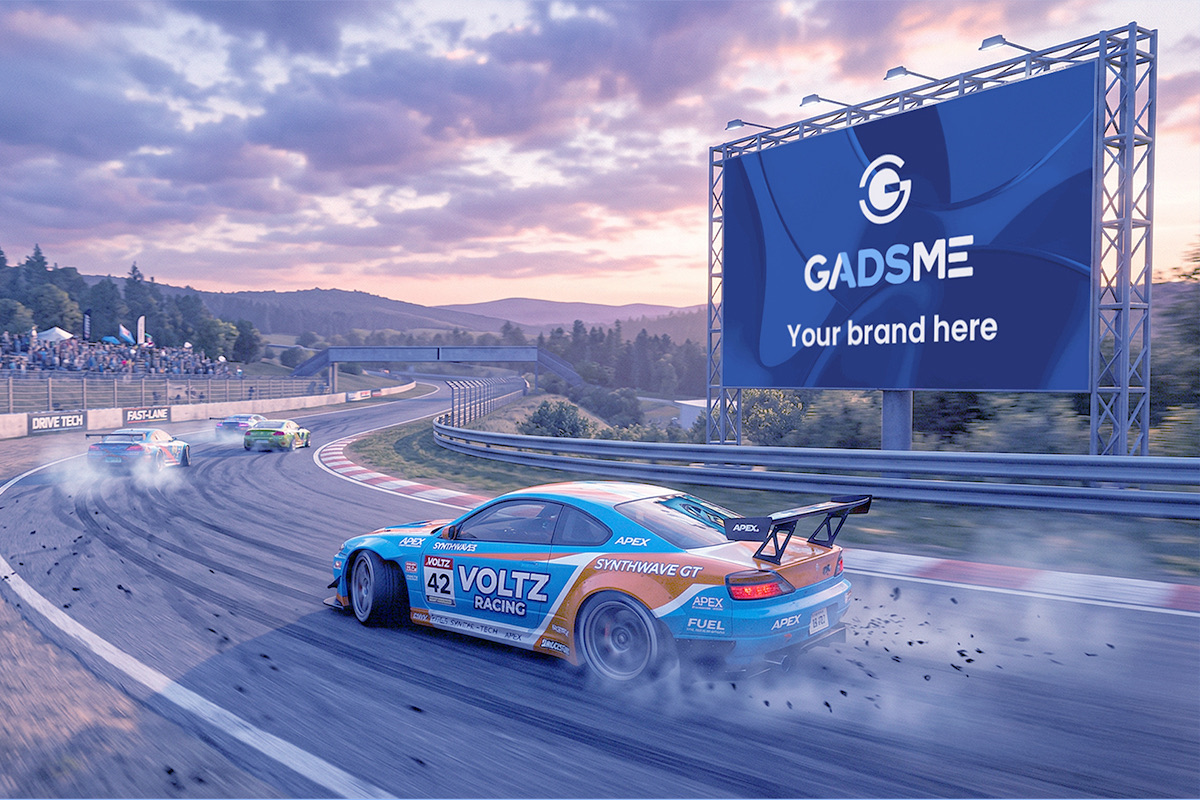
Instead of appearing around gaming content, ads are integrated into the game environment itself. They can appear on elements such as billboards, stadium signage, posters or digital screens within the virtual world.
Because these placements are part of the environment, they remain visible during gameplay without interrupting the player experience.
Gaming has become one of the largest media environments in the world, with more than 3 billion players globally. As audiences spend more time in games, brands increasingly use this channel to reach engaged consumers.
Why brands use in-game advertising
Gaming environments combine scale, attention and controlled context.
Key advantages include:
- Large global audiences. Video games reach billions of players across mobile, PC and console.
- High engagement. Players often remain actively focused for extended gameplay sessions.
- Brand-safe environments. Advertising appears inside curated gaming worlds rather than open web inventory.
- Contextual targeting. Campaigns can be activated by game genre, geography or audience profile.
These characteristics make gaming a complementary channel alongside search, social media and programmatic display.
Main in-game advertising formats
Several advertising formats can appear inside games.
- Intrinsic ads. Native placements integrated into the game environment such as billboards, posters or digital screens. These can be banner or video ad formats.
- Video ads. Video content displayed on top of games during natural breaks in gameplay.
- Interstitial ads. Full screen ads that appear over the game. These can be static ads or video ads, often with a time delay before they disappear.
- Rewarded ads. Optional ads that players choose to watch voluntarily in exchange for in-game rewards.
- Audio ads. Audio messages played during gameplay, combined with a small companion ad that appears over the game and disappears once the audio message is delivered.
Each format supports different campaign objectives, from brand awareness to measurable performance. Intrinsic placements can also be made clickable, which turns them into a performance channel.
How in-game advertising works
Most campaigns rely on advertising SDKs integrated by game developers.
These technologies allow platforms to deliver ads dynamically to predefined placements inside the game environment.
Because ads are served remotely, campaigns can launch, pause or update creatives without modifying the game itself. The technical detail of how this happens is covered in how in-game advertising works at the rendering level.
Measuring in-game advertising
Performance measurement depends on campaign objectives.
Common indicators include:
- ad viewability
- exposure time
- brand recall and brand lift
- engagement with interactive formats
Some formats also allow tracking of clicks, installs or conversions, connecting gaming environments with performance marketing strategies.
Key takeaway
In-game advertising allows brands to reach audiences inside one of the most engaging digital environments available today.
As gaming continues to grow globally, the channel is becoming an increasingly important part of modern media strategies. If you are planning a campaign, the strategy and execution guide for brands covers format choice, targeting and measurement in more depth, or you can talk to our team.