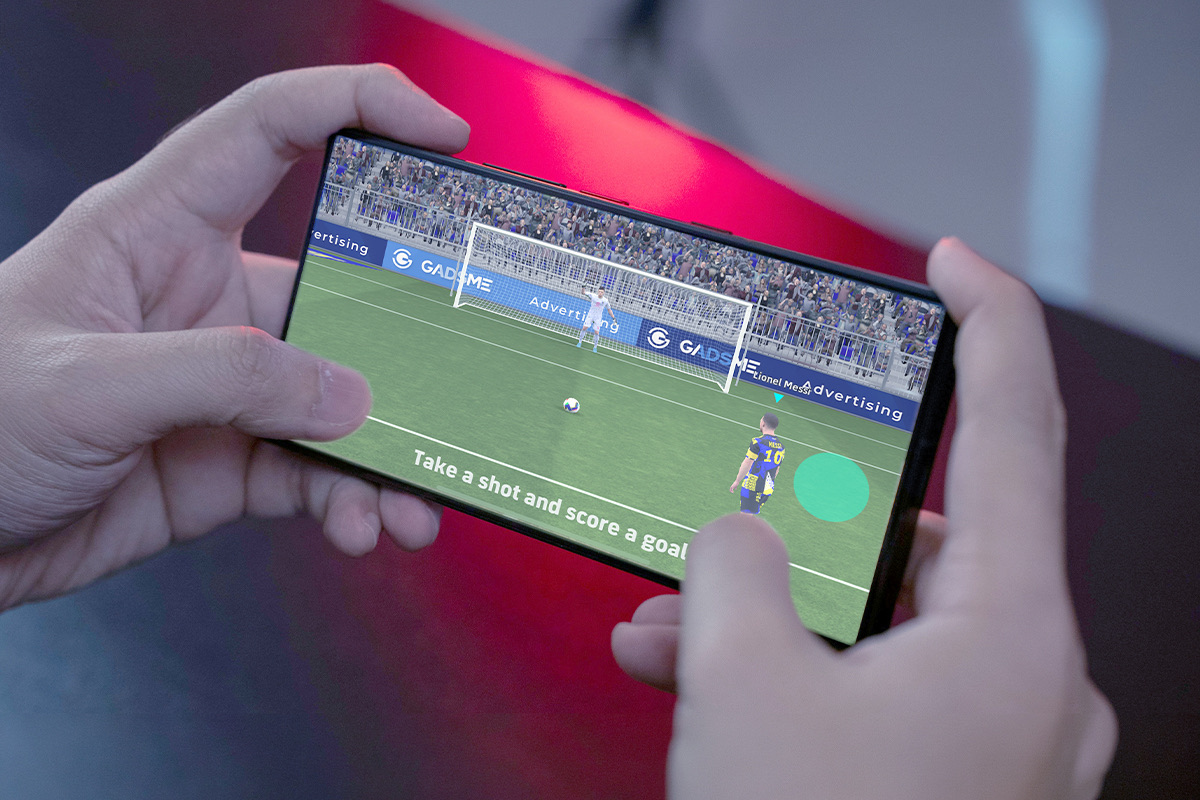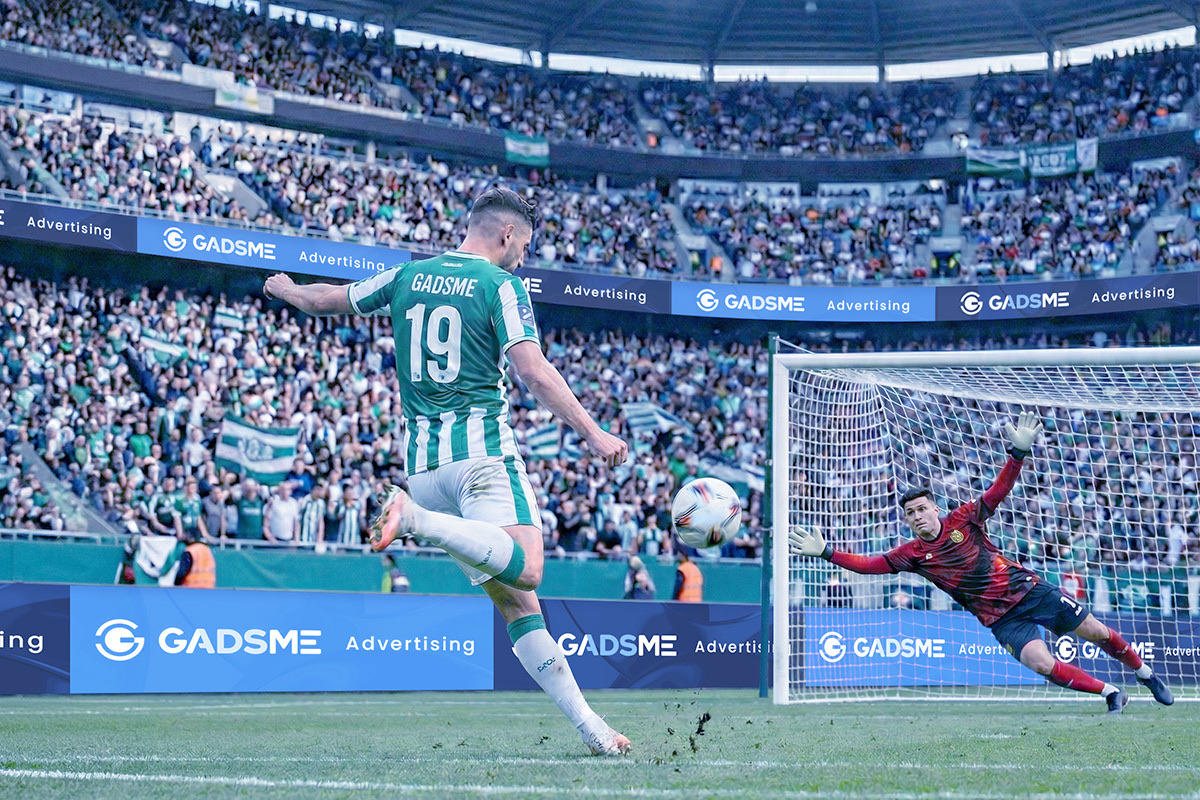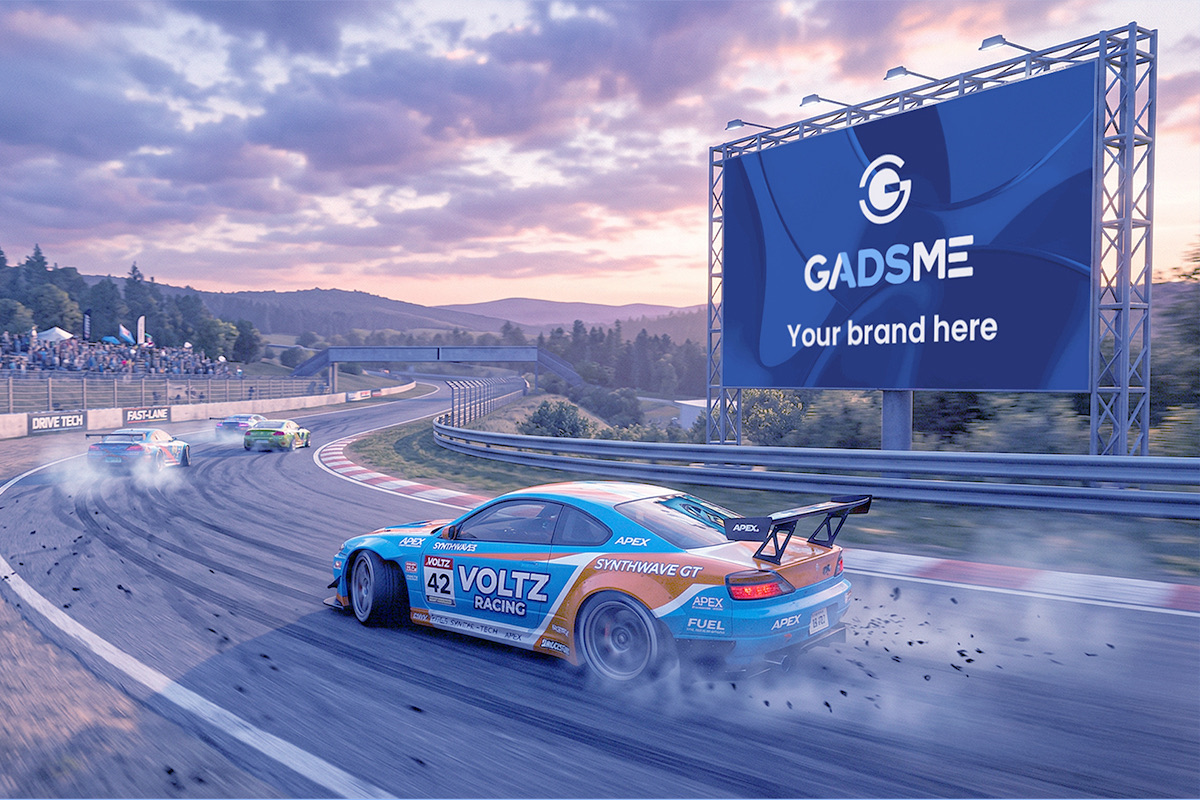
Intrinsic in-game advertising rewards planning. This guide covers when the channel fits, which format matches which objective, what targeting actually offers, and how to measure the result.
When intrinsic in-game advertising makes sense for brands
Intrinsic in-game advertising is particularly effective when brands seek high-attention environments rather than passive exposure. Gaming sessions require active participation, resulting in sustained focus and limited multitasking.
Brands benefit most when objectives align with gameplay context rather than interruption-based messaging. If the channel itself is new to you, start with what is in-game advertising.
Brand objectives that work well
Intrinsic in-game advertising supports multiple marketing goals:
- brand awareness and reach
- consideration and familiarity
- engagement
- store traffic and local discovery
- app installs
- e-commerce traffic
The effectiveness of each objective depends on format choice, creative design, and measurement setup.
Choosing the right ad format for your goal
- Intrinsic ad placements work well for reach, frequency, and contextual brand presence.
- Clickable ad formats enable direct response campaigns such as app installs, store locators, or conversions.
- Audio ad placements suit moments when visual attention is limited but engagement remains high.
Selecting formats based on objectives prevents mismatches between expectations and outcomes.
Targeting: what actually works
Intrinsic in-game targeting relies on context rather than personal profiling:
- Game genre aligns ads with player interests.
- Geographic targeting enables local and O2O campaigns.
- Device targeting differentiates mobile, PC, or console audiences.
- Time-based targeting matches player behavior patterns.
What intrinsic in-game advertising does not offer is social-media-level user profiling. Expecting individual-level behavioral targeting leads to poor planning decisions.
Creative best practices
Effective intrinsic in-game creative respects gameplay constraints:
- clear messaging readable at a distance
- simple visuals that integrate naturally
- limited text and strong contrast
- contextual relevance to the game environment
Ads must behave like game assets, not traditional banners.
Measurement and KPIs
Measurement frameworks depend on campaign type:
- Awareness: reach, frequency, viewability, exposure time, brand lift.
- Performance: CTR, CPC, CPA, conversions, ROAS, when clickable formats are used.
Attribution approaches should be chosen before launch, not retrofitted after.
Common brand mistakes
- choosing formats that don't match objectives
- overloading creatives with messaging
- expecting social-level targeting granularity
- neglecting landing page or app store readiness
- ignoring gameplay context when planning placements
Most failures stem from applying non-gaming logic to gaming environments.
Example brand plays
- QSR and retail: store locator campaigns triggered directly from gameplay.
- App developers: install campaigns targeting relevant game genres.
- Retail and e-commerce: promotional traffic and coupon distribution.
These use cases demonstrate how gameplay context translates into measurable action.
Key takeaway
Brands succeed in gaming when format, creative, targeting, and measurement are aligned with gameplay context. Intrinsic in-game advertising rewards strategic alignment, not brute-force media buying.
See what the channel offers for advertisers, or talk to our team about a campaign.